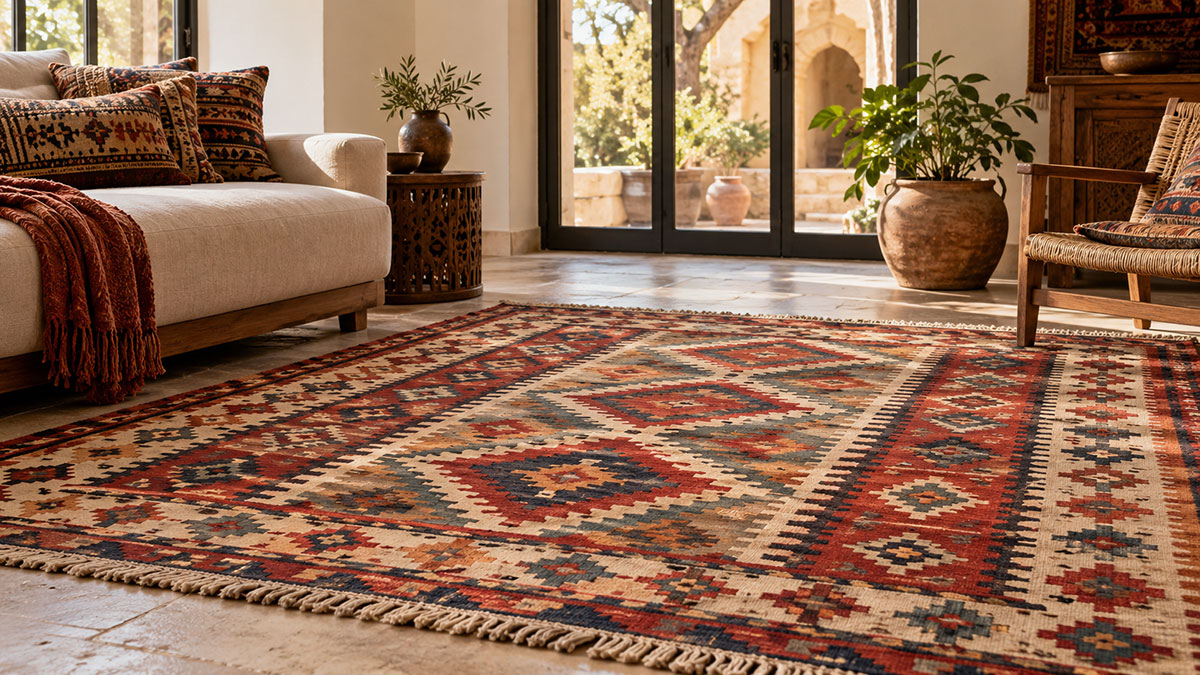
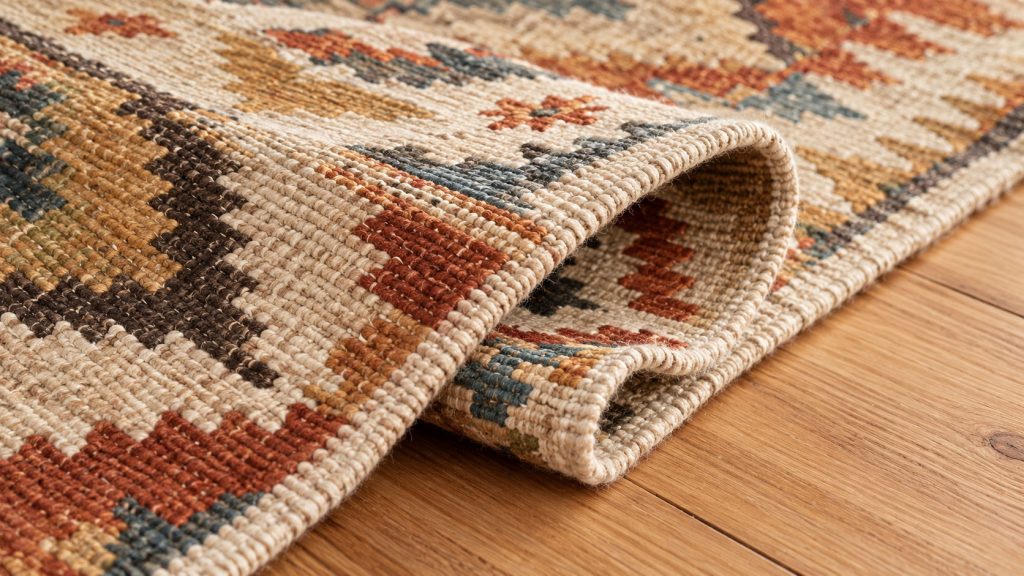
Handmade kilims can generally be divided into four main categories, based on their weaving technique, structure, and appearance.
Although the names of some techniques may vary depending on the region where they are woven, each type has its own distinctive construction and character.
1. Double-Sided Kilim (Karbas)
A double-sided kilim, also known as Karbas, is woven by passing the weft yarn through the warp threads.
The same pattern appears on both sides of the kilim, which means both sides can be used.
This reversible structure is one of the most distinctive features of this type of weaving.
At IKAT, our main focus is on double-sided kilim weaving. According to traditional accounts, this type of loom-based weaving is connected to a history extending back around 7,000 years across different peoples and civilizations.
Because of its simplicity, versatility, and long history, we consider it a shared language among people who appreciate traditional textile art.
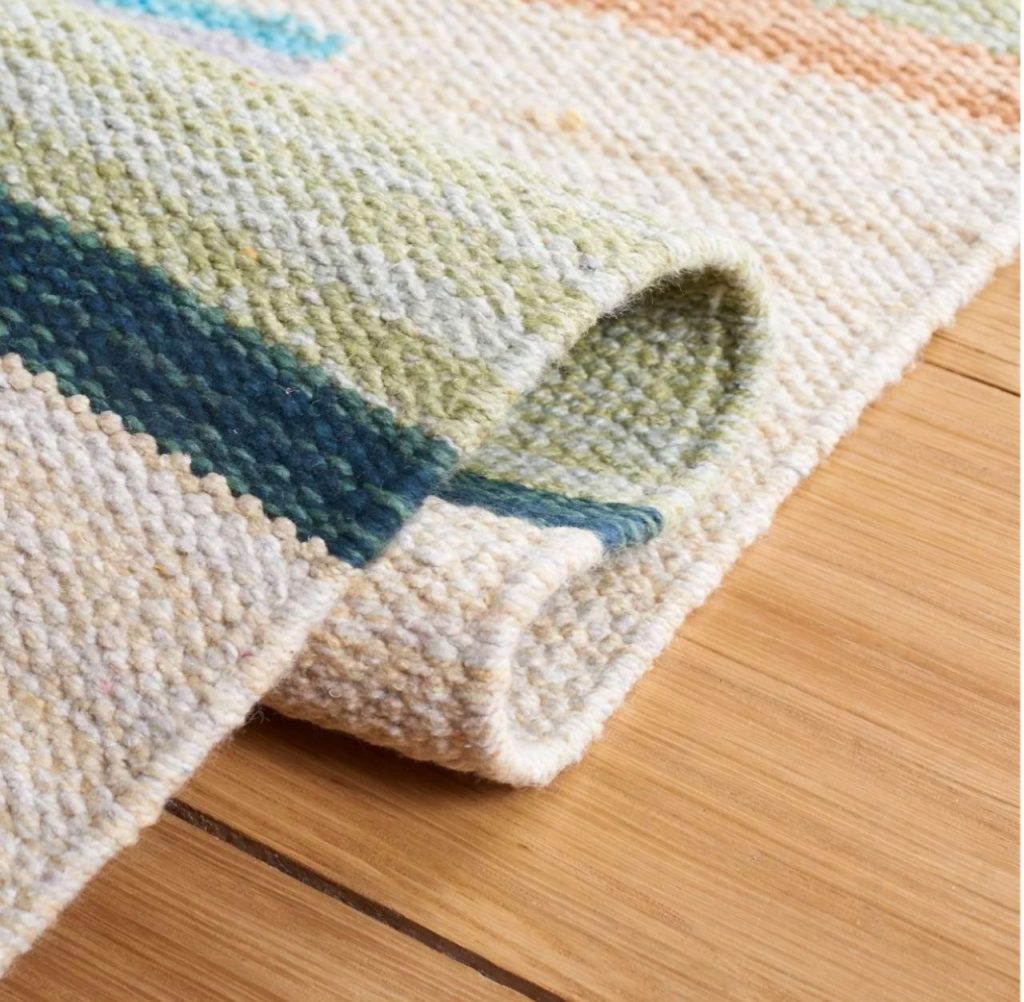
2. Varni, Needle-Woven or Shiriki-Pich Kilim
The second type is known by different names depending on the region, including Varni, needle-woven kilim, and Shiriki-Pich.
While the regional names may differ, these weaving styles share a similar principle in which decorative yarns are worked around or across the warp structure.
Unlike a double-sided kilim, the main design appears on the front side.
On the back, the yarns used to create the pattern remain visible, but the complete design does not appear in the same way. Therefore, this type is generally considered single-sided.
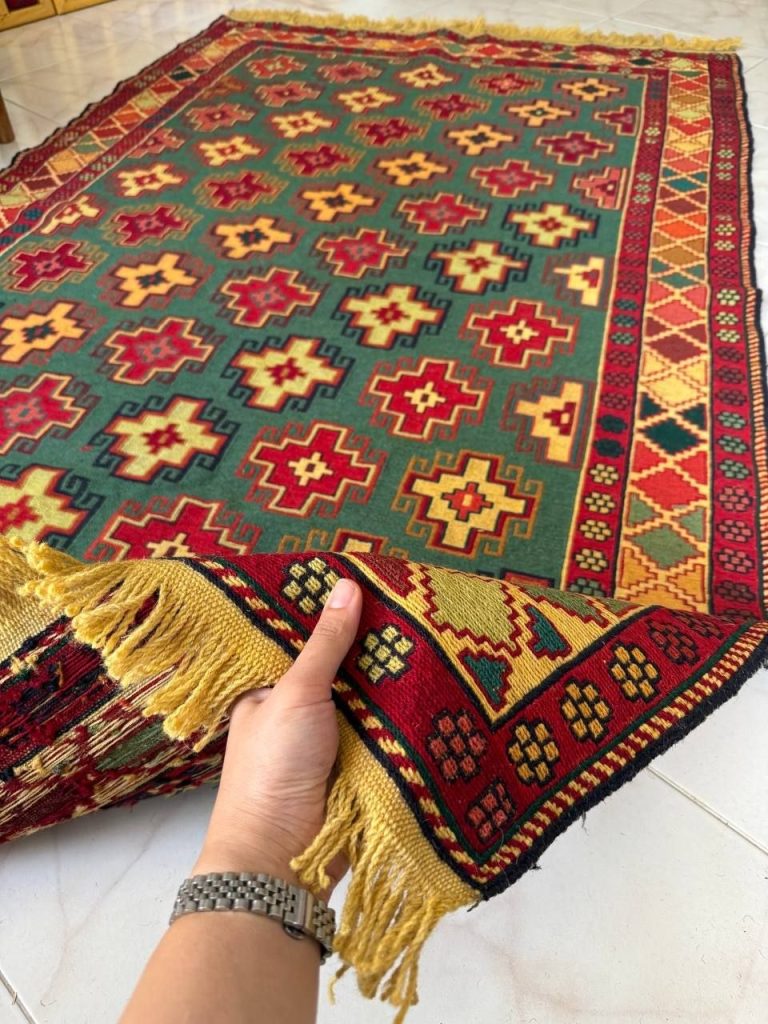
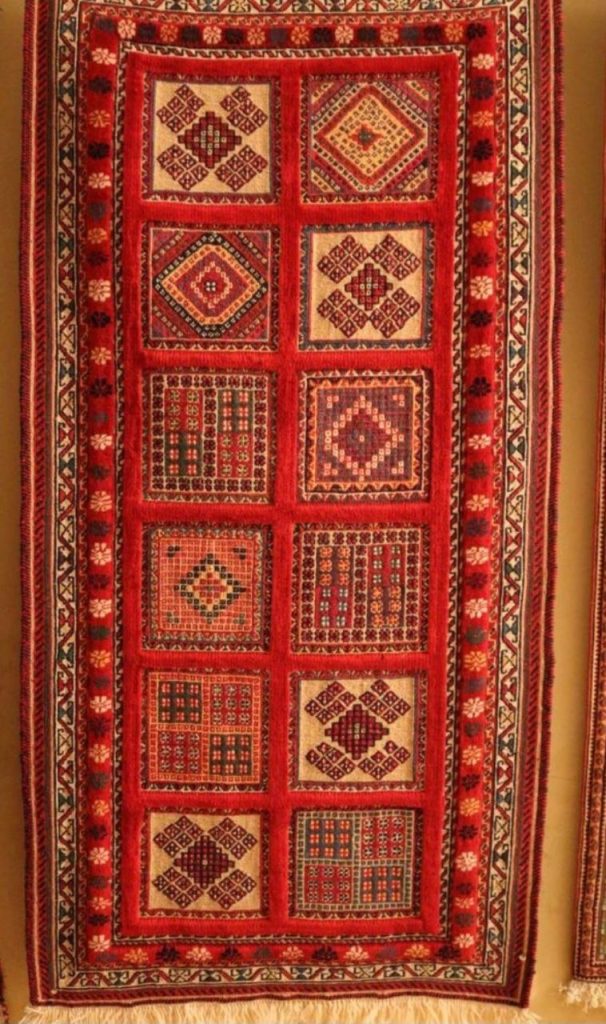
3. Kilim Carpet
A kilim carpet combines two different weaving methods: traditional carpet knotting and kilim weaving.
The borders or framed sections are woven using carpet knots, while the design inside the frame is created using a Varni-style kilim technique.
This combination creates a textile with characteristics of both a carpet and a kilim.
It is generally single-sided, meaning the complete decorative pattern is visible mainly on the front of the piece.
4. Moroccan-Style Gabbeh Kilim
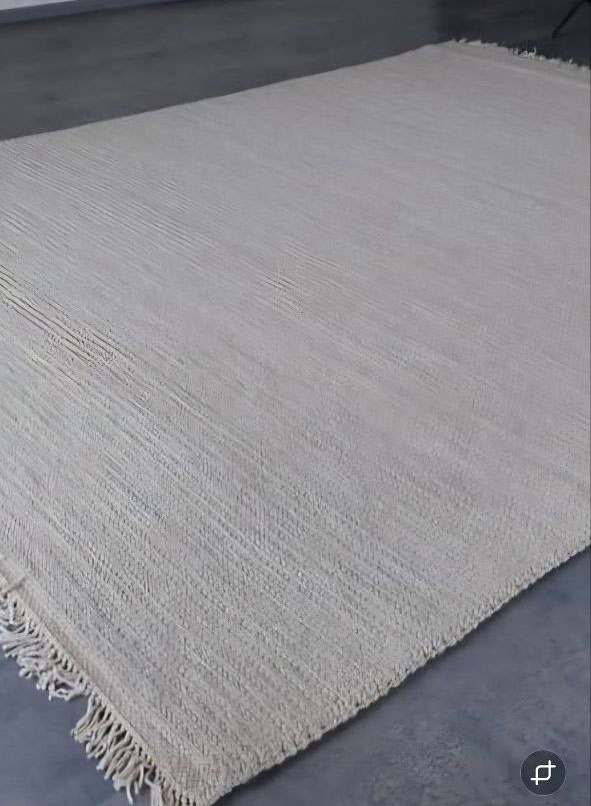
The fourth category is a Moroccan-style Gabbeh kilim.
This type has a noticeably different appearance from the other categories. It is usually:
- Simple
- Thick
- Minimal
- Mostly without detailed patterns
- Woven in neutral and nude color tones
Its understated appearance makes it especially suitable for contemporary and minimalist interiors.
IKAT and Double-Sided Kilim Weaving
Among these four categories, IKAT specializes in double-sided handmade kilims.
For us, this weaving technique represents more than a decorative textile. Its reversible structure, traditional method, and long history connect contemporary handmade products with a much older tradition of loom-based weaving.
While different cultures and regions have developed their own patterns, colors, and visual language, the act of weaving remains a common thread connecting generations of textile makers and admirers around the world.